Three dinosaur exhibitions in Korea that you can actually visit between winter 2026 and summer 2027, chosen only where dates and venues are confirmed in the organisers' own announcements. Each entry adds the highlights and a couple of visiting tips, to help decide the order of a trip. Unconfirmed events were left out, and checking the venue's latest notices before you go is still wise.
Jinju — Footprints of Giants: Sauropod Dinosaurs
- Dates: 19 November 2026 – 28 February 2027
- Venue: Jinju Pterosaur Tracks Museum, Jinju
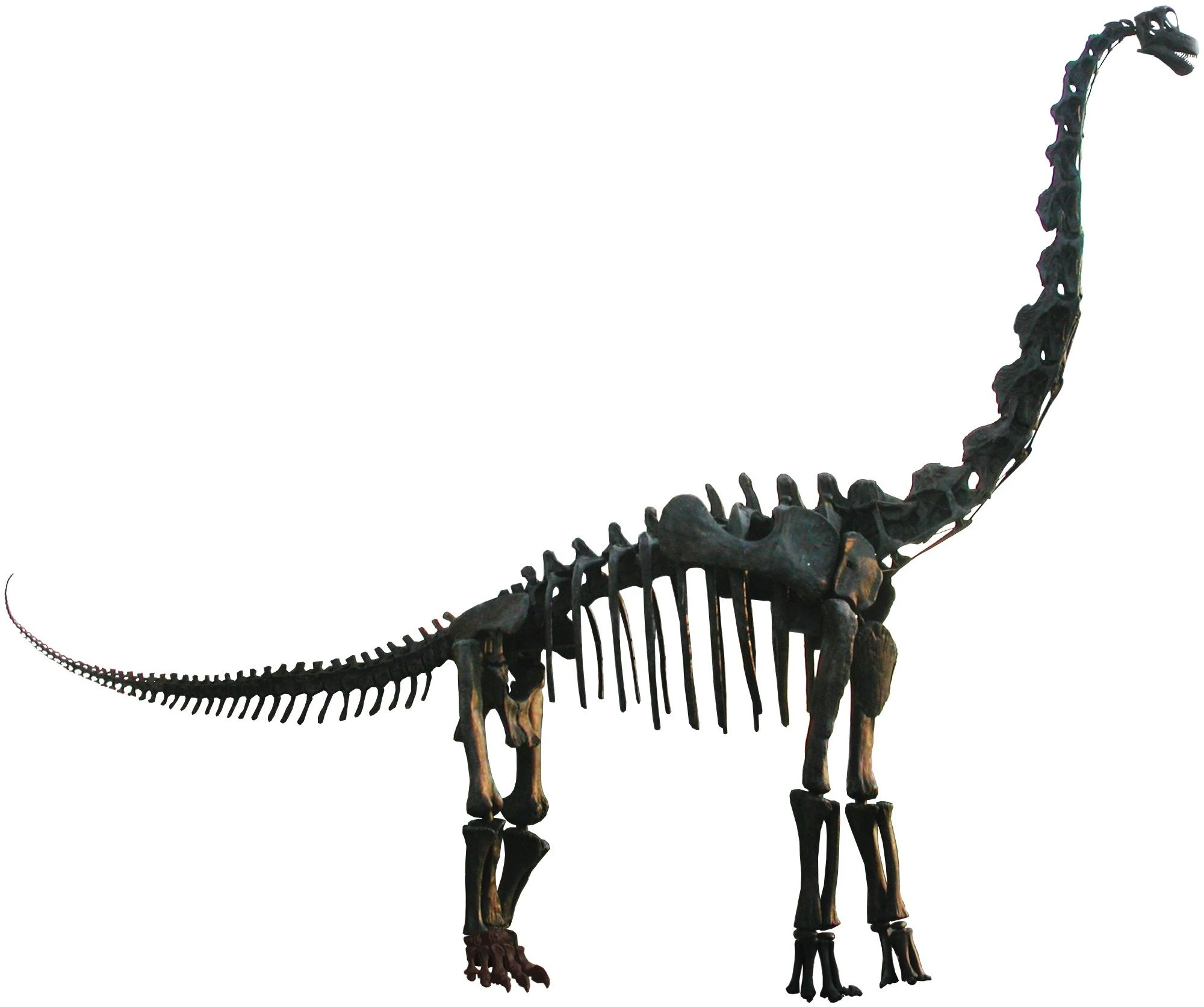
This special exhibition sits in a museum built in the middle of the world's largest Cretaceous pterosaur track site. Its highlights come in four parts: ten original sauropod track fossils shown in Korea for the first time; a life-size digital restoration of a Brachiosaurus skeleton standing in the lobby; a Tyrannosaurus skull and a full Triceratops skeleton; and skeletons of four sauropod species, according to Jinju City's announcement.
Two tips. First, this exhibition ends first of the three (28 February 2027), so if you are planning a route, put Jinju first. Second, the museum itself stands on the track site — do not leave after the special exhibition alone; the permanent track fossils are the other half of the visit. Reading the Brachiosaurus and Triceratops entries in this guide first will tell you what the restorations were built from.

Gwangju — Pokémon Fossil Museum
- Dates: 19 December 2026 – 31 August 2027
- Venue: Special exhibition hall, Gwangju National Science Museum
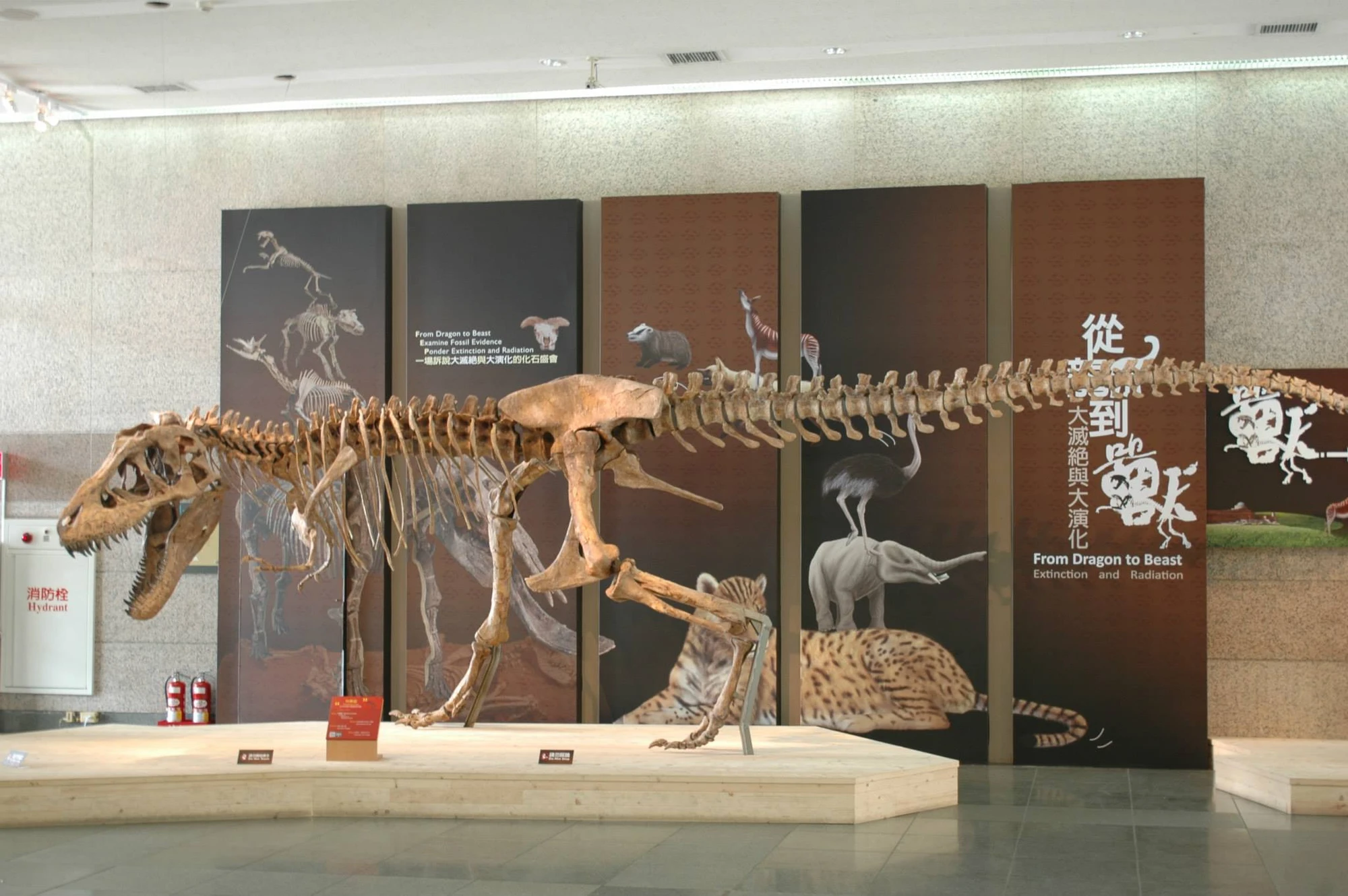
An exhibition that began in Japan in 2021 and has toured since now comes to Korea. Its core device is side-by-side comparison: restored models of the games' "fossil Pokémon" stand next to real dinosaur and ancient-life fossils and skeletons, so visitors can see which real fossil each game creature came from. The organisers say real specimens including Tarbosaurus will be on display.
Two tips. First, it is a paid special exhibition, so check booking and admission details on the Gwangju National Science Museum's notices in advance. Second, it runs the longest of the three, until 31 August 2027, so it can comfortably come after Jinju. With children, start from the fossil Pokémon they know and compare from there — that is the order the exhibition itself is built in.

Seoul — Doolysaurus and Our Dinosaurs
- Dates: 27 October 2026 – 1 August 2027
- Venue: Special exhibition room, 2nd floor, National Children's Science Museum, Seoul
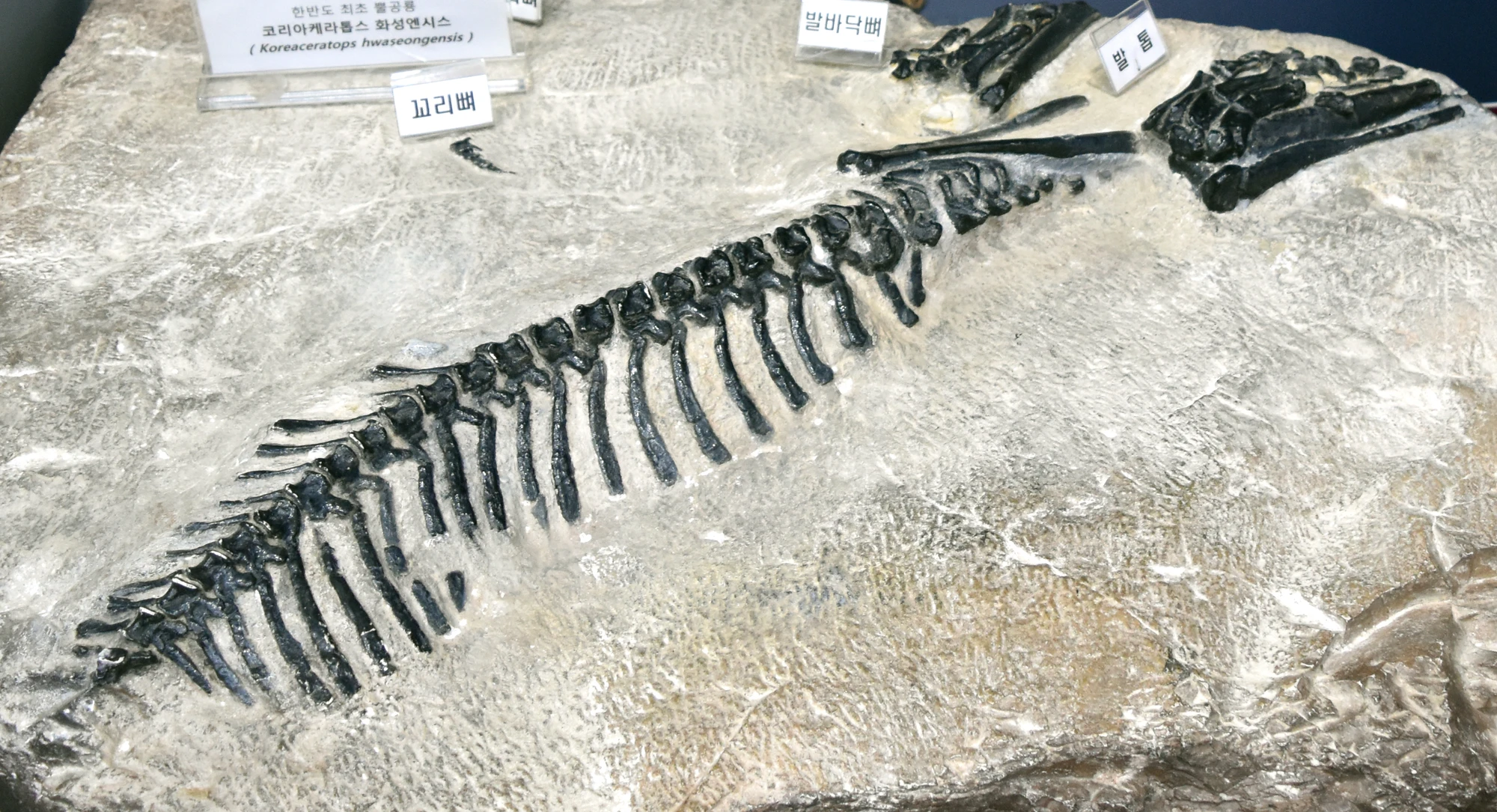
An exhibition that explores the dinosaurs found in Korea together with Dooly the baby dinosaur. Fossils and footprints from Korean soil — such as the horned dinosaur Koreaceratops hwaseongensis, found in Hwaseong — are explained at children's eye level. Where the other two exhibitions centre on foreign dinosaurs, this one is about verifying with your own eyes that dinosaurs lived in Korea too.
Two tips. First, the long run, until 1 August 2027, makes it easy to attach to a Seoul outing. Second, as a children's museum exhibition, the explanations are pitched for children, which makes it a good first exhibition for a child meeting dinosaurs for the first time. Looking first for the Korean dinosaurs whose names carry their discovery places — Hwaseong in Koreaceratops hwaseongensis — gives the visit a natural order.

The three exhibitions at a glance
| Jinju Pterosaur Tracks Museum | Footprints of Giants: Sauropod Dinosaurs — until 28 February 2027. Ends first, so schedule Jinju first. |
|---|---|
| Gwangju National Science Museum | Pokémon Fossil Museum — until 31 August 2027. Paid special exhibition; check booking. |
| National Children's Science Museum | Doolysaurus and Our Dinosaurs — until 1 August 2027. Centred on dinosaurs found in Korea. |
Sources
- Jinju City announcement, "Jinju Pterosaur Tracks Museum opens the special exhibition Footprints of Giants: Sauropod Dinosaurs" (November 2026)
- Pokémon Korea and Gwangju National Science Museum, Pokémon Fossil Museum announcement (November 2026)
- National Children's Science Museum official channel, "Doolysaurus and Our Dinosaurs" exhibition guide
Exhibition schedules can change with the organisers' circumstances. This guide was compiled on 24 November 2026 against the announcements above, and expanded the same day with highlights and visiting tips.